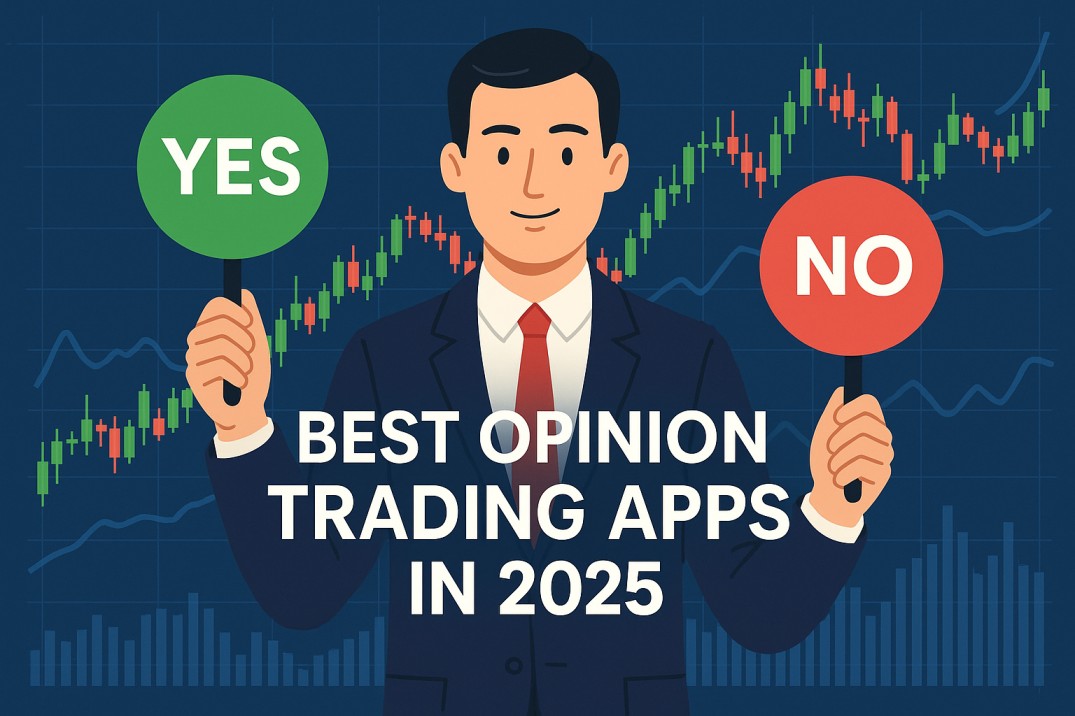
Opinion trading is here to stay and cannot be banned. How is it even possible if this platform is used by millions daily?
And it’s not just us saying this — It is the voice of millions of users who use daily and actively participate in opinion trading across sports, politics, entertainment, weather, and more.
These voices deserve to be heard, especially when opinion trading is not only a form of engagement but also a legitimate way for users to express their insights, sharpen their knowledge, and earn rewards based on informed predictions.
These platforms are not just entertainment — it is a way for people to stay updated, test their knowledge, and be part of real-time events. Dismissing it as risky overlooks how these platforms are helping users stay connected with what is happening around them.
But Why Opinion Trading is At the Risk of Ban?
The main reason critics cite for banning opinion trading is its perceived similarity to gambling. But is that a fair comparison? Unlike gambling, opinion trading encourages users to stay informed, think critically, and make decisions based on real-world events.
Comparing it to gambling ignores the skill, strategy, and insight that millions of users bring to the table every day.
One of the biggest misconceptions is that opinion trading is unregulated or illegal — but that’s simply not true. Most platforms follow strict rules, ensure user verification, and base results on real-world facts, not chance. Whether it’s sports scores, election outcomes, or weather updates, everything is tied to public, verifiable data.
Users are not betting blindly — they are making informed predictions based on research, logic, and trends. That’s a huge difference from gambling, where luck plays the biggest role.
Why Opinion Trading is Not Gambling?
Gambling is driven by luck. You place a bet on any event, and the outcome depends entirely on chance — you either win or lose without any control. But opinion trading is different. It is driven by information, analysis, and real-world events that are happening around you.
When users participate in opinion trading, they are not making random guesses. They follow news, study trends, analyze data, and then share their informed opinions. Whether it’s predicting a cricket match, an election result, or a market move, users base their choices on logic and facts, not luck.
Most platforms also ensure transparency by tying every question to publicly verifiable outcomes and using clear rules. Users know how outcomes are decided and can access relevant information before making any move.
That’s why calling opinion-based trading gambling is not just misleading — it’s unfair to the millions who use it responsibly, intelligently, and actively.
So, Is There Any Risk of Using Opinion Trading?
In short, no, there is no real risk in using opinion trading apps that reward your knowledge, awareness, and decision-making skills. These platforms don’t rely on random outcomes like gambling. Instead, they encourage users to stay informed and make logical predictions based on real-world data.
That’s why banning them doesn’t make sense. What makes more sense is to regulate opinion-based trading — not eliminate it.
If authorities are considering banning these platforms due to perceived similarities with gambling, then we have to ask: what about fantasy sports? These platforms also involve unpredictability as no user can control how a player will perform or who will earn the most points in a match. Isn’t that randomness too?
By that logic, fantasy sports could also be labeled gambling. But they continue to operate legally, not because they are fundamentally different but because they bring in significant government revenue through commissions and taxes.
So, here’s the real question:
Is the problem with opinion trading its model, or the fact that it is not yet regulated and monetized by institutions?
If fairness is the goal, then either both should be regulated, or neither should be banned.
Pankaj Suyal is a sports enthusiast and fantasy gaming expert who transforms his love for the game into compelling content. From match previews to player analysis and trending updates, he brings the sports world closer to his readers. When he is not writing, you will find him creating fantasy team or deep into a book (Yes, he is a bibliophile).